
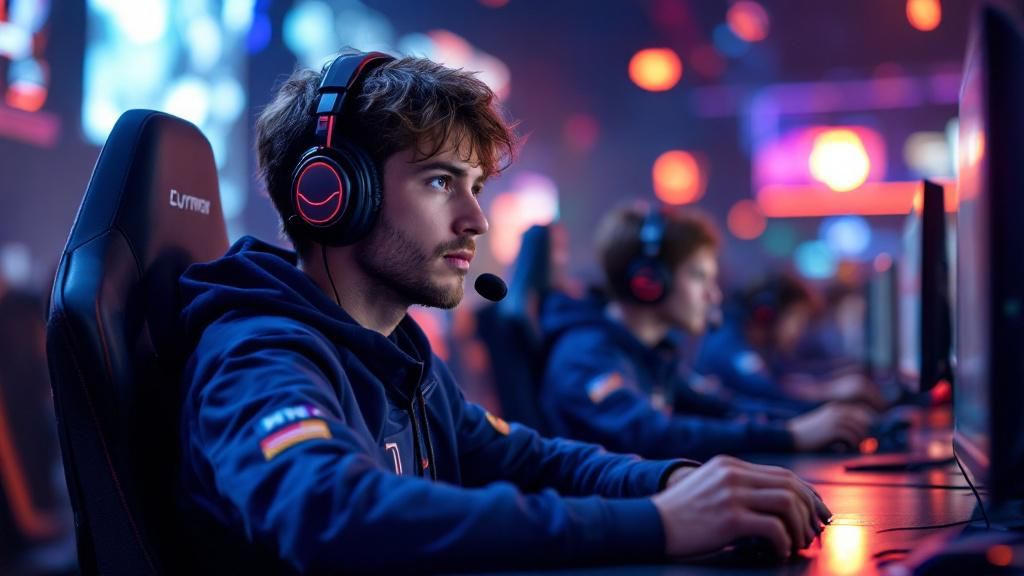
The esports industry has taken a significant step forward in championing competitor wellbeing. Leading esports bodies have jointly unveiled a detailed player protection standards framework, tackling established worries about mental wellbeing, labour conditions, and just treatment within professional gaming. This groundbreaking development marks a turning point for esports legitimacy, creating minimum standards that could reshape how the industry operates. We explore the framework’s central components, the organisations driving this change, and what it means for competitors and the esports ecosystem moving forward.
Sector-Wide Dedication to Player Wellbeing
The coordinated partnership between major esports companies marks a significant milestone for player protection within competitive gaming. This integrated system demonstrates the sector’s real dedication to developing enduring guidelines that emphasise player health alongside sporting achievement. By combining knowledge and capabilities, these organisations have developed detailed frameworks addressing physical condition, emotional health, and workplace protection. The programme demonstrates increasing awareness that competitor health substantially impacts performance quality and career longevity, making it vital to the sector’s reputation and development.
Tournament organisers have confirmed that past requirements were disjointed and variable, exposing competitors to abuse and fatigue. The updated system standardises expectations across major competitions, making certain each professional player gets fair consideration and access to essential support services. This coordinated approach eradicates unequal conditions resulting from differing safeguards and creates equal opportunities. Industry figures highlight that these standards constitute baseline expectations, encouraging organisations to go beyond minimum standards and build authentically nurturing spaces where players can thrive in career and personal development.
Core Features of the Welfare Provision
The recently created welfare framework includes multiple linked pillars created to protect player interests thoroughly. These provisions tackle psychological wellbeing support, physical fitness, reasonable working standards, and straightforward conflict resolution mechanisms. By integrating these elements, tournament operators strive to develop a comprehensive strategy that acknowledges esports athletes as professional competitors entitled to robust protections. The framework sets essential standards that all affiliated tournaments are required to adopt, ensuring uniform player protections across the competitive gaming landscape.
Psychological Health Support Services
Understanding the mental health challenges present within competitive esports, the framework requires access to qualified psychologists for all players competing. Event organisers should offer confidential counselling services, via direct provision or partnerships with qualified mental health providers. This provision covers stress management, anxiety management support, and crisis support resources. Players receive access to experienced psychologists who are familiar with esports-specific pressures, such as digital harassment, high-level competitive stress, and career instability.
The framework also mandates tournaments to introduce psychological awareness schemes and stigma-reduction efforts across the community. Organisers need to inform players, coaches, and staff about recognising psychological difficulties and utilising suitable assistance. Ongoing assessments and wellbeing tracking mechanisms help detect struggling players early, allowing proactive intervention before situations develop into serious psychological crises.
Physical Wellbeing Requirements
Tournament organisers must implement comprehensive physical health standards addressing ergonomics, rest periods, and healthcare monitoring. The framework mandates proper seating, screen placement, and breaks to reduce RSI frequently seen in esports professionals. Healthcare professionals must attend at major tournaments to address pressing health problems, whilst organisers are mandated to provide information about injury avoidance and suitable medical facilities for sustained athlete progression.
Environmental conditions at tournament facilities are now governed by strict requirements ensuring player comfort and safety. Regulations cover temperature control, lighting standards, and noise levels to deliver optimal competitive conditions. Additionally, the framework supports players to complete regular health assessments and delivers guidance on nutrition, sleep hygiene, and exercise routines essential for sustained competitive excellence in esports.
- Workplace gear assessments performed by certified experts
- Required breaks between matches preventing athlete fatigue
- Medical personnel on location available throughout tournament proceedings
- Injury prevention training and rehabilitation service access
- Health monitoring programmes monitoring athlete health across the year
Rollout Schedule and Standards
The framework will be implemented in three separate phases, beginning immediately with foundational reviews across member organisations. Tournament operators have agreed to completing first audits of their existing operations by the conclusion of Q1, highlighting discrepancies between existing protocols and the new standards. This foundational phase ensures a comprehensive assessment of each organisation’s starting point before making material alterations. Later stages will involve team training, guideline amendments, and the creation of external compliance frameworks to secure conformity and transparency throughout the esports industry.
The standards themselves cover mandatory provisions relating to mental health support, practical training timetables, and transparent prize distribution protocols. Each organisation should establish a designated welfare champion accountable for managing grievances and maintaining compliance with guidelines. Periodic reviews, performed by third-party bodies, will assess conformity and highlight zones for development. These extensive protections establish measurable benchmarks for player protection, with compliance procedures including financial penalties and possible competition restrictions for organisations not meeting required standards.
Industry Reaction and Outlook Ahead
The initiative has garnered strong backing from participants throughout the competitive gaming sector. Players’ associations have endorsed the guidelines as a essential move towards advancing the professional standards of the sector, whilst team owners and commercial partners recognise the opportunity for improved legitimacy and longevity. Hardware producers and broadcast services have committed to incorporate player welfare into their day-to-day activities, illustrating a collective commitment to structural reform. Early indications indicate that governing authorities and state representatives perceive the guidelines positively, possibly opening the door to statutory acknowledgement of professional esports as a recognised professional industry.
Looking ahead, sector analysts predict that this framework will serve as a blueprint for worldwide implementation, with regional tournaments and grassroots events expected to implement comparable standards. The initiative is expected to encourage ongoing discussion regarding player compensation, career development pathways, and psychological support services. As esports undergoes rapid expansion, these player protections represent a vital protection mechanism ensuring that competitive gaming remains sustainable, welcoming, and respectful for all participants, ultimately strengthening the industry’s position as a genuine professional discipline.
